


Mental health resources are now a common feature in many school districts, and it is only going to continue to expand in different forms soon.
Los Altos School District coordinator of student and staff services Claire Crane presented to LASD’s Board of Trustees at last week’s meeting on the many new mental health resources available for students at both the elementary and junior high levels.
Crane told the Town Crier she annually presents to the board with any given updates or changes to the mental health resources so board members can get a better sense of how to best support students. Crane included in her presentation where the various services are provided in the district, such as increasing mental health therapists at the junior high schools, providing a partnership with Adolescent Counseling Services (ACS), a community service that provides students access to counseling service and emotional support, and organizing parent workshops.
“We have therapists onsite, at every single elementary site, who can support the needs of general education students,” Crane said. “And then at our junior highs, we have full-time mental health therapists who are also there to support the needs of our junior high students,” Crane said. “We contract at our elementary sites with a company in the community called ACS who work closely with the school psychologist to make sure that we are triaging student needs. Those students who need the most support will get mental health services at our district.”
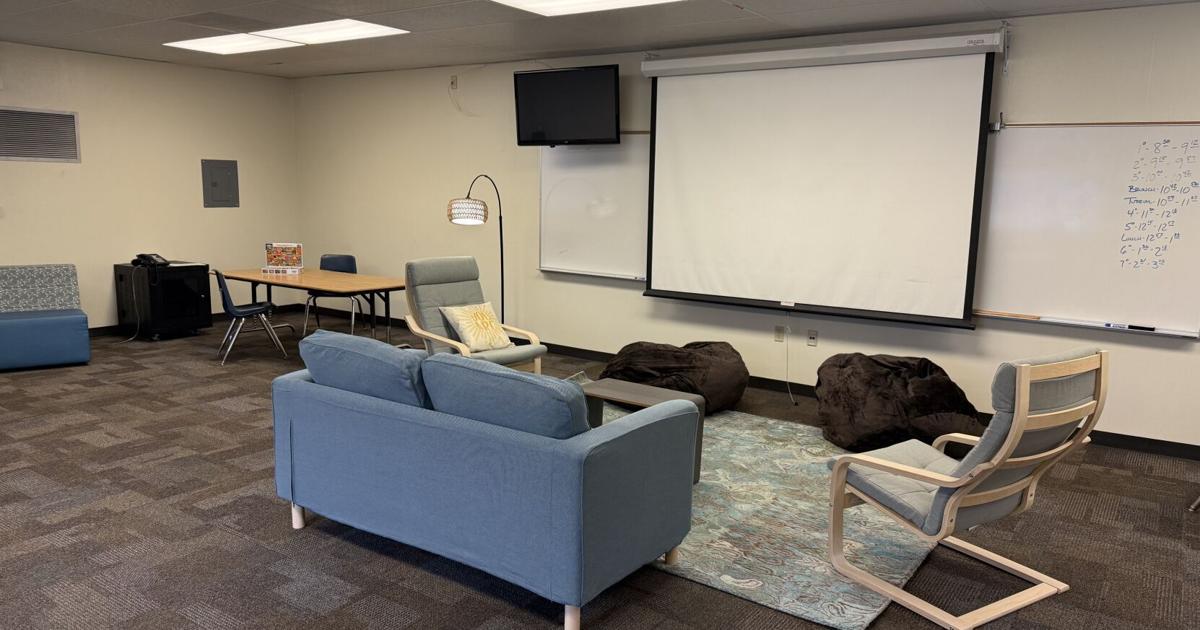
Crane said the newest addition to the district’s mental health resources is the wellness center that opened in the junior highs. Crane said the wellness centers are a place for students to “cool down” during the day among their busy schedules and go to a safe space with their peers to open up about how they are feeling. She said these centers are important at the junior high level since many students become “very peer-driven.” The centers are not needed at the elementary level, Crane said, because many of the students are more willing to speak with psychologists at that age and are not as aware of the pressures of their peers.
“We wanted to create spaces where students could either be by themselves or together to calm down and kind of relax and reset,” Crane said. “We started at the junior highs because we saw that was just really the biggest area of need. And then in addition to that, we know that the high schools that we feed into have wellness centers, so we wanted to kind of create those spaces at our junior highs to prep our kids moving up to the high schools.”
If a student is embarrassed to express that they need help, Crane said there is a system in place where peers can report the behaviors of their friends so they can get the services they need. Crane said at the junior high level, they rely on a student’s network such as their friends or teachers to reach out to the school psychologists and mental health therapists. She said this allows students who are in distress to get the professional guidance they need toward positive thinking and helps calm them down during the school day. She said many of the psychologists wil use their clinical judgment to assess whether they are ready to return to their class.
She also said parents are aware of the services their child will receive before them being excused from class.
“We’ve been fortunate to have a really strong partnership with our parent community,” Crane said. “Our parents have been very supportive of both our school psychologists and the mental health services that are in school. We make sure to be clear, our mental health services involve parents and we never see their kids without their permission so they’re aware of the scope of the services. If we’re also noticing the needs span beyond the scope of schools, then we will partner with parents to help them find community agencies.”
Crane said that more than 90 students across the elementary school sites and 50 junior high students use their counseling services on a recurring one-to-one basis. She said many more people use their services in a group setting and through one-off appointments but did not have the exact number for these students. Crane said it is important for students to get immediate support and to know they have allies on their campus.
“Our site-based school psychologists play critical roles in supporting the mental health needs at all of our campuses, both elementary and junior high,” Crane said. “I would say that ACS also helps supplement those services at the two sites but our school psychologists on site have a really good pulse on the student needs and like students who are in crisis get seen immediately, but then if there’s more long-term support that’s needed.”
link